“Punks Live Down To Name”. 1977 in NZ: Muldoon grinding us down, disco numbing the brain, spies lurking, dole queues growing – but punk’s finally sniffing around our shores and Wellington gets its first taste on August 24, at the ‘infamous’ Festival of the Arts performance featuring The Scavengers and Suburban Reptiles. “Born to bullshit, ya better believe it”
1977 marked a significant year in Wellington’s political landscape as the seat of New Zealand’s government. Under Prime Minister Robert Muldoon’s National Party, in its second year of office, the capital buzzed with parliamentary activity. A highlight was the opening of the new executive wing, dubbed “the Beehive,” on February 28 by Queen Elizabeth II during her Silver Jubilee tour, symbolising a blend of colonial ties and modern governance. Contentious debates dominated the year, including the SIS Amendment Bill, which sought to expand the powers of the New Zealand Security Intelligence Service. This sparked widespread protests from civil liberties groups, culminating in marches from Parliament to the SIS headquarters at 175 Taranaki Street. During the Muldoon term the issue of State surveillance became a repeated theme in the punk scene contributing to the attempted bombing of the Whanganui Computer Centre in 1982 by Neil Roberts. Similarly, the Contraception, Sterilisation, and Abortion Bill ignited fierce parliamentary discussions, reflecting deep divisions on social policy. Nationally, the occupation of Bastion Point by protesters highlighted a surging Māori protest movement focused on Treaty of Waitangi grievances and land rights, with ripples felt in Wellington’s political circles.
Social activism was vibrant in Wellington, fueled by broader national and international issues. Campus life, particularly at Victoria University, saw heightened student involvement in protests against apartheid, nuclear proliferation, and Māori rights, aligning with a global wave of youth-led movements. The Māori land rights struggle, epitomised by the Bastion Point occupation, amplified calls for justice under the Treaty of Waitangi, influencing urban discussions in the capital. Civil liberties concerns peaked with anti-SIS demonstrations, drawing crowds to central Wellington and highlighting tensions between security measures and individual freedoms. These events painted a picture of a society grappling with identity, equality, and authority in the post-colonial era.
Culturally, 1977 in Wellington blended international influences with emerging local scenes, amid a backdrop of disco dominance and punk’s rebellious arrival. Disco reigned supreme, with Heatwave’s “Boogie Nights” topping the NZ charts, while Tina Turner brought her electrifying performance to Wellington on September 14, energising the local music crowd. Radio Hauraki’s late-night rock show hosted by Barry Jenkin (aka Dr. Rock) provided a counterpoint, described as “an oasis of rock in a desert of disco.” The year also saw the punk wave crash into the capital: on August 24, Victoria University hosted Wellington’s first punk gig featuring Auckland bands The Scavengers and Suburban Reptiles, generating sensational media coverage about the “shock-horror” antics of the new craze. This event signaled punk’s foothold, inspired by global releases like The Damned‘s debut album in February, the Ramones‘ “Sheena Is a Punk Rocker” in May, and the Sex Pistols‘ controversial “God Save the Queen” during the Queen’s Jubilee in June—coinciding with their infamous River Thames boat incident. Locally, Split Enz released their album Dizrythmia in August, while bands like Hello Sailor, Dragon, Rocking Horse, and Living Force represented NZ’s rock scene. The release of the film Sleeping Dogs, with its themes of state repression reflected growing real-world concerns over ‘Big Brother’ surveillance embodied in fears over the SIS Bill.
February
- February 18: The Damned: Damned Damned Damned
June
- June 7, London: The Sex Pistols arrested on the River Thames
August
- Aug 16, Elvis dies
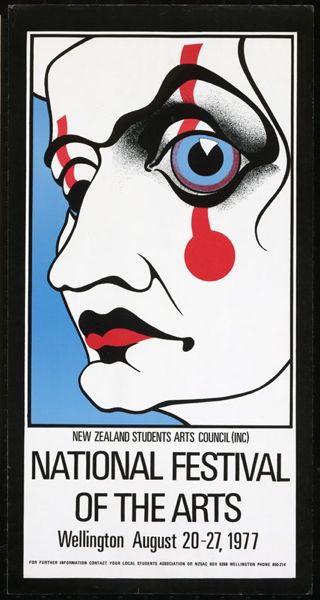
- Aug 24, Victoria University, National Festival of the Arts: The Scavengers, Suburban Reptiles